
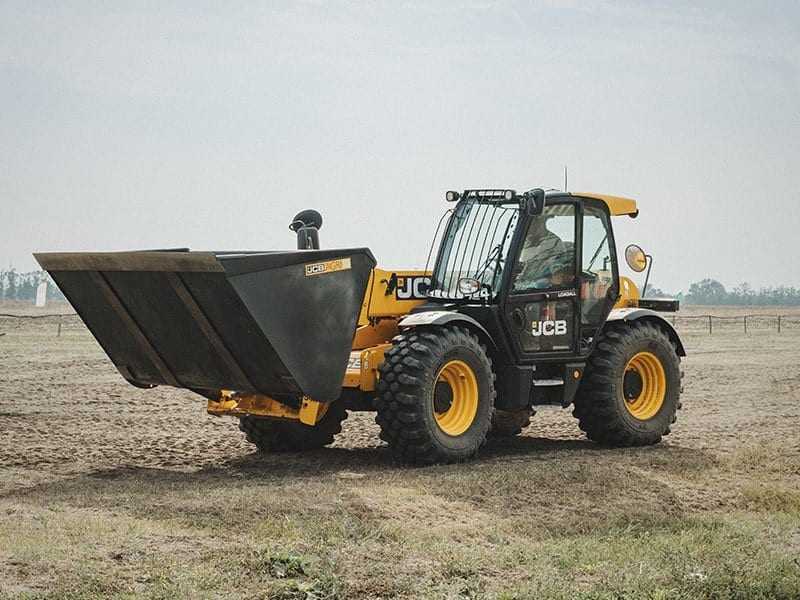
Looking for Farm Equipment Rentals in Crockett TX?
Only 1 Rentals puts farm and acreage equipment on rental for people in and around Crockett TX.
Phone 936-825-2444 to go over what you need done and how soon.
Renting Fits Seasonal Work
Most land jobs are seasonal, and the right machine sits unused for months once the work is done, and a rental also lets you try a machine before deciding whether to buy. An owned tractor needs service, fuel, and a place to sit out of the weather, and many owners find that renting is the easier path for a single project.
People looking up Farm Equipment Rentals usually know the job and are choosing the machine, and the right machine makes the job quicker and safer. The shop needs to know the size of the job and the type of land, and you are more likely to get what you need on the first try.
The Workhorse of the Property
The bucket on the front makes the tractor useful for moving almost anything, and it digs shallow holes and pushes material into place. Lift capacity is the figure to check when the load is heavy, and it helps to tell the rental shop what you plan to move and how far.
A loaded bucket makes a tractor top-heavy and harder to steer, and it helps to lower the bucket and shut the machine off before you leave the seat. Wires, branches, and roof edges are hazards for a tall loader, and it helps to plan the route around any lines before you begin.
Cutting Back Grass and Brush
A rotary mower is the machine people reach for when growth has gotten ahead of them, and its blades turn at high speed under a steel deck. A mowed property is easier to walk, fence, and manage, and the work is easier when it is done before growth gets thick.
A mower that is too big for the tractor strains the engine and the driveline, and it helps to check the power take-off speed and the hitch type before you reserve. A rotary mower can fling rocks and metal a long way, and it helps to keep bystanders and animals well away while you cut.
Smoothing Rough Land
The box blade is a three-point hitch implement used to level and shape ground, and the scarifier teeth loosen hard ground before the blade moves it. A little material moved at a time gives a smoother finish, and low spots can be fixed without bringing in extra fill.
Ground that is firm but not rock hard is the easiest to cut, and the weight of the blade must match what your hitch can lift. Good grading is mostly about where the water goes, and it helps to check the low spots again after the first rain.
Weed Control by Sprayer
Sprayers let one person cover pasture and fence lines in much less time than a backpack unit, and wands reach into corners and along structures. Mixing rates, protective gear, and weather limits are written on the container, and it helps to keep spray away from water, animals, and neighbors.
Leftover chemicals can damage the next product that goes through the sprayer, and that protects the next person who rents the sprayer. Spraying in still air keeps the product on the target, and it helps to keep an eye on the sky while you work.
Making the Implement Fit the Tractor
Hitch arms at the back of the tractor carry the weight of mowers and blades, and compact tractors and full-size tractors use different hitch sizes. A rotating driveline links the tractor to any attachment that has moving parts, and the speed rating of the implement should match what the tractor delivers.
Loose sleeves, drawstrings, and long hair can wrap around a spinning shaft, and snug clothing and tied-back hair are part of safe operation. Setting the implement on level ground before hooking up saves a lot of effort, and a careful hookup avoids damage and injury.
A Short Routine Before Each Day
Start with the basics, such as oil, coolant, fuel, and tire pressure, and tractors that are checked daily work harder and last longer. Fill the tank in the shade and wipe up any spill, and smoking and open flames have no place near the fuel.
Sparks, Gates, and Fence Lines
Parched pasture is easy to ignite, and mower blades can strike a spark, and it helps to check local burn restrictions during dry spells. Gates, wire, and posts are common obstacles on a working property, and it helps to mark any hazards you cannot move before you start.
Small Projects That Add Up
A farm road takes a beating from trucks, trailers, and runoff, and regular touch-ups keep small problems from becoming big ones. The banks of a pond and the sides of a ditch need cutting back from time to time, and firm ground matters here, so wet banks are best left alone.
Property owners often string small jobs together into one rental, and that is a good way to use the time you have the machine. Owners who compare options for Farm Equipment Rentals usually have more than one job in mind, and the shop can suggest the right combination of tools.
Land, Weather, and Soil Around Crockett TX
Heat is part of working outdoors here, so early starts and plenty of water matter, and it helps to plan the job so the hardest part happens in the morning. Soil conditions change the schedule for grading, mowing, and loader work, and a day of rain can mean a day of waiting.
Overgrown fence lines and pasture edges are a common reason people call, and waiting until the brush is too thick makes the job harder. Dark clouds and wind are good reasons to stop mowing and spraying, and a flexible plan is worth having.
Spring and early summer are busy seasons for mowers, sprayers, and loaders because growth is quick, and the shop can suggest the quieter days if the schedule allows.
Matching the Equipment to Your Job
Ask what the rental covers and what you need to bring, and the project starts on schedule. Plan how you will move the equipment to the property, and it helps to ask about this when you reserve.
Terms vary from one rental shop to the next, and a little extra time is better than a rushed finish. That is how most people approach Farm Equipment Rentals in Crockett TX, and the details are quick to confirm.
Reach us at 936-825-2444 when you are ready to line up a tractor or implement.