
Searching for Farm Equipment Rentals in Huntsville TX?
Only 1 Rentals rents out the machinery that farm, ranch, and acreage owners use around Huntsville TX.
Reach us at 936-825-2444 to describe your land and the work you have in mind.
Renting Fits Seasonal Work
Machinery that earns its keep a few days a season is hard to justify owning and storing, and renting turns that into a short commitment. Storage, maintenance, and repairs fall on the owner of a machine, and many owners find that renting is the easier path for a single project.
Anyone comparing options for Farm Equipment Rentals has probably already seen what needs doing, and the rest is describing the work to the rental shop. The more you say about the work, the better the match will be, and you are more likely to get what you need on the first try.
The Workhorse of the Property
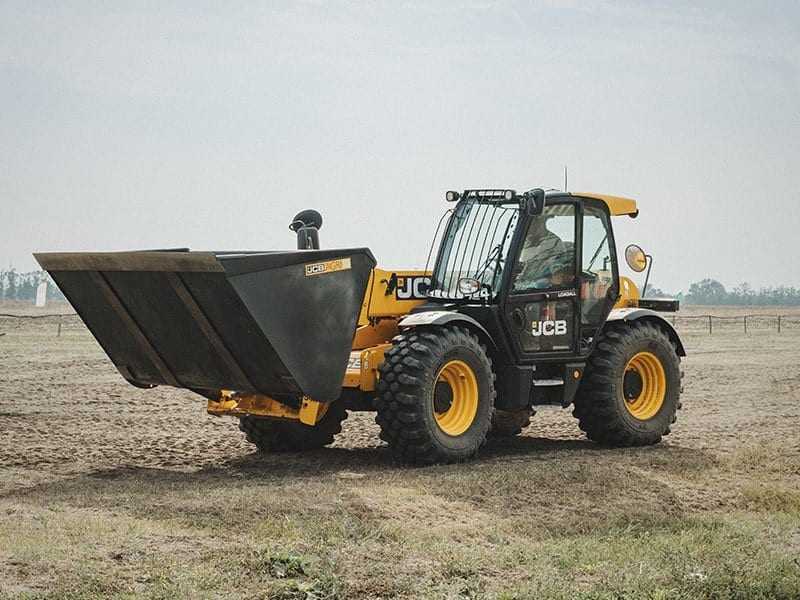
A loader tractor lifts, carries, and dumps material that would take hours by hand, and it helps with feed and hay as well as dirt work. Lift capacity is the figure to check when the load is heavy, and it helps to describe the material and the distance before you reserve.
Operating a tractor takes attention, especially on slopes, and it helps to keep the bucket low while you drive and raise it only when needed. Overhead lines and low branches are easy to forget about, and a quick look overhead takes a second.
Mowing Rough Ground
Tractor-mounted rotary mowers handle vegetation far too tall or thick for a yard mower, and the width of the deck sets how much ground you cover in each pass. A mowed property is easier to walk, fence, and manage, and many owners mow once or twice during the growing season.
A mower that is too big for the tractor strains the engine and the driveline, and a mismatch wastes a day and can damage the equipment. Thrown objects are the main danger when a rotary mower is running, and it helps to walk the ground first and pick up wire, rocks, and metal.
Shaping the Ground
This simple implement is a favorite for smoothing rough ground, and it spreads fill and builds up a pad for a barn or a pen. Overlapping lines and frequent looks back at the work give the best results, and a road built this way lasts longer.
Heavy rain can turn a graded surface soft, so the work belongs on dry ground, and the width of the blade should suit the width of the tractor. Good grading is mostly about where the water goes, and it helps to stand back and look at the lay of the land before you begin.
Applying Liquids Across Acreage
Sprayers let one person cover pasture and fence lines in much less time than a backpack unit, and landowners spray fence lines, ditches, and roadsides to hold back weeds. Different products call for different handling, rates, and timing, and it helps to measure carefully instead of guessing.
The system should be flushed with clean water before it goes back to the shop, and that protects the next person who rents the sprayer. Weather matters a great deal for spraying, especially wind and rain, and it helps to check the forecast before you commit to a rental period.
Three-Point Hitches and Drivelines
A tractor lifts and lowers its implements with arms and a top link at the rear, and hitches come in different sizes, called categories, that must match the implement. Mowers and some sprayer pumps draw their power from a shaft on the tractor, and the speed rating of the implement should match what the tractor delivers.
A rotating shaft can catch loose clothing in an instant, and nobody should step over it while it is turning. Lining up the arms with the implement pins takes patience and a steady hand, and the implement will sit level and work better.
Keeping the Tractor Healthy
The first job of the day is a look at the fluids, the tires, and the guards, and you will not want to find a problem halfway across a field. Fuel spilled on a hot engine is a fire risk, and the engine should cool down before any fuel goes in.
Hazards Hidden in the Land
Parched pasture is easy to ignite, and mower blades can strike a spark, and it helps to check local burn restrictions during dry spells. Old fencing is easy to miss until it wraps around a blade, and a clear route makes the job go faster.
Ranch Roads, Pads, and Pond Banks
Ranch roads and farm drives wear down with every rain and every load, and regular touch-ups keep small problems from becoming big ones. Around a stock pond, tall growth hides the edge and blocks access, and the work is safest when the ground is dry and the edges are visible.
It is common to combine mowing, grading, and hauling in a single rental period, and the order of the jobs matters, with the dirtiest ones saved for last. Many people who search for Farm Equipment Rentals are sorting out a list of chores, and it helps to mention every task when you call about the rental.
Land, Weather, and Soil Around Huntsville TX
Summers around Huntsville TX are hot, and long days in the sun are hard on machines and operators alike, and it helps to work in the cooler hours when you can. Wet ground is hard on tractors and tears up a pasture, and firm ground is the best time to move a tractor around.
A wet spring can bring a thick flush of growth that needs cutting back, and an early start keeps the work manageable. Dark clouds and wind are good reasons to stop mowing and spraying, and a flexible plan is worth having.
The busiest weeks for farm equipment tend to follow the first warm rains, and calling ahead of the rush is a simple way to avoid waiting.
Questions to Settle Before You Rent
Find out about fuel, attachments, and any safety gear you should provide, and the project starts on schedule. Plan how you will move the equipment to the property, and you should not leave transport to the last minute.
An honest read on the schedule makes the rental easier to plan, and it helps to allow a spare day in case the weather turns. With those questions answered, choosing among Farm Equipment Rentals in Huntsville TX gets easier, and the details are quick to confirm.
Phone 936-825-2444 to talk about farm equipment for your property.