
Looking for Farm Equipment in Caldwell TX?
Only 1 Rentals supplies rental equipment for land and pasture jobs in Caldwell TX.
Call 936-825-2444 to find out what is ready for your project.
Equipment You Only Need Sometimes
Farm and acreage work comes in bursts, with a hay season, a clearing project, and a fence line to prepare, and a rental covers the gap without the long-term burden. The owner of a machine carries every repair bill between jobs, and many owners find that renting is the easier path for a single project.
Most people who search for Farm Equipment are in the middle of a project, and the rest is describing the work to the rental shop. Details about slopes, soil, and brush help the shop suggest a machine, and you are more likely to get what you need on the first try.
Moving Material With a Tractor
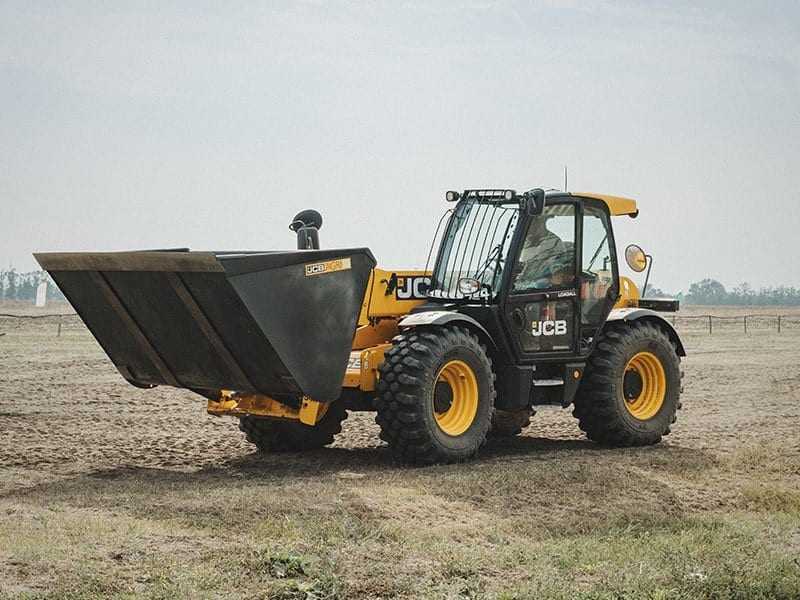
The bucket on the front makes the tractor useful for moving almost anything, and it digs shallow holes and pushes material into place. Larger tractors have the weight and power for heavier lifting, and it helps to think about the ground, since soft or sloped land calls for care.
A loaded bucket makes a tractor top-heavy and harder to steer, and go slowly on rough ground and keep clear of ditches. Wires, branches, and roof edges are hazards for a tall loader, and it helps to plan the route around any lines before you begin.
Mowing Rough Ground
The rotary mower hooks to the back of a tractor and cuts heavy growth that a lawn mower cannot touch, and the tractor drives it through the power take-off. Overgrown ground can hide holes, stumps, and rocks, so cutting it is also about safety, and many owners mow once or twice during the growing season.
The mower and the tractor need to match in size and power, and it helps to check the power take-off speed and the hitch type before you reserve. Debris leaves the deck at high speed, so people should stay far back, and it helps to stop the machine before you clear anything from the deck.
Box Blades and Land Grading
With a box blade, a tractor becomes a small grading machine, and it spreads fill and builds up a pad for a barn or a pen. Shallow cuts and several passes work better than one deep cut, and low spots can be fixed without bringing in extra fill.
Grading in dry weather gives better results and puts less strain on the tractor, and it helps to ask the shop whether your tractor can handle the blade you want. Drainage is the point of most grading work, and it helps to plan the slope and the crown at the beginning of the job.
Weed Control by Sprayer
Sprayers let one person cover pasture and fence lines in much less time than a backpack unit, and the pump pressure can usually be adjusted for the task. Application rules are set by the manufacturer and apply to every user, and it helps to follow the instructions and wear the gear they call for.
Leftover chemicals can damage the next product that goes through the sprayer, and some products are harder to clean out than others. Spray work is best planned around a calm, dry forecast, and it helps to keep an eye on the sky while you work.
Making the Implement Fit the Tractor
The three-point hitch is the common way to connect a tractor to its working tools, and the pins and the spacing of the arms differ between small and large tractors. Mowers and some sprayer pumps draw their power from a shaft on the tractor, and the shop can tell you which tractor and implement belong together.
Loose sleeves, drawstrings, and long hair can wrap around a spinning shaft, and the shield exists for exactly that reason. Setting the implement on level ground before hooking up saves a lot of effort, and the implement will sit level and work better.
Keeping the Tractor Healthy
Before starting a tractor, check the engine oil, the coolant, and the fuel level, and you will not want to find a problem halfway across a field. Fill the tank in the shade and wipe up any spill, and a hot tank should never be topped off.
Working Around Animals and Dry Grass
Parched pasture is easy to ignite, and mower blades can strike a spark, and carry water or an extinguisher where the grass is dry. Livestock and gates add another layer to any equipment job, and gates should be latched so nothing wanders into the path.
Maintaining Drives and Working Areas
A farm road takes a beating from trucks, trailers, and runoff, and loader work and grading together can restore a worn surface. The banks of a pond and the sides of a ditch need cutting back from time to time, and slopes near water call for slow driving and extra care.
Property owners often string small jobs together into one rental, and writing the list down before the rental begins helps. Owners who compare options for Farm Equipment usually have more than one job in mind, and good planning can save a second trip.
Land, Weather, and Soil Around Caldwell TX
Heat is part of working outdoors here, so early starts and plenty of water matter, and it helps to work in the cooler hours when you can. Dry, cracked ground makes grading and digging much harder, and that is why timing matters so much for land work.
Fast growth keeps landowners busy with a mower through much of the year, and waiting until the brush is too thick makes the job harder. Storm cleanup often creates a sudden need for a loader or a mower, and a flexible plan is worth having.
Spring and early summer are busy seasons for mowers, sprayers, and loaders because growth is quick, and the shop can suggest the quieter days if the schedule allows.
Getting the Details Right
Confirm whether an implement and a tractor come as a set, and nobody wastes time hunting for a missing part. Think about the loading ramp, the strap points, and the route, and a trailer is a separate piece of equipment.
An honest read on the schedule makes the rental easier to plan, and it helps to ask which periods are offered and pick the one that fits. Everything above comes down to one decision, and Farm Equipment in Caldwell TX is where you make it, and a few minutes on the phone is enough to start.
Ring 936-825-2444 to get your land project moving.