
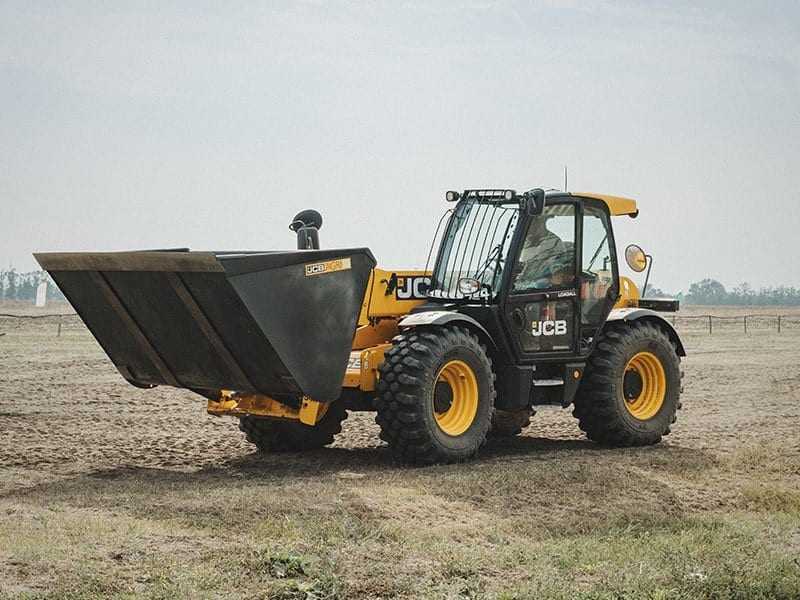
Weighing your options for Farm Equipment in Centerville TX?
Only 1 Rentals is an equipment rental business that serves farm and ranch work around Centerville TX.
Call 936-825-2444 to ask which equipment fits your acreage.
Equipment You Only Need Sometimes
A property owner may need a mower for two days a year and a loader for one weekend, and the job gets done and the equipment goes back. Storage, maintenance, and repairs fall on the owner of a machine, and a rented machine leaves that burden with the rental shop.
People looking up Farm Equipment usually know the job and are choosing the machine, and a short conversation can sort out the details. Describe the acreage, the kind of ground, and the task when you call, and the right pairing of tractor and implement is often not the obvious one.
Tractors With Loaders
The bucket on the front makes the tractor useful for moving almost anything, and it helps with feed and hay as well as dirt work. A compact tractor suits small acreage and tight spaces, and it helps to tell the rental shop what you plan to move and how far.
Operating a tractor takes attention, especially on slopes, and you should never carry passengers, and take slopes straight up and down. A raised bucket can reach a power line before you notice it, and that habit is worth forming on the first day.
Mowing Rough Ground
A rotary mower is the machine people reach for when growth has gotten ahead of them, and its blades turn at high speed under a steel deck. A mowed property is easier to walk, fence, and manage, and the best time depends on the plants and the weather.
The mower and the tractor need to match in size and power, and it helps to check the power take-off speed and the hitch type before you reserve. A rotary mower can fling rocks and metal a long way, and it helps to stop the machine before you clear anything from the deck.
Grading Work With a Box Blade
This simple implement is a favorite for smoothing rough ground, and the scarifier teeth loosen hard ground before the blade moves it. A little material moved at a time gives a smoother finish, and the finish comes out flat and well drained.
The forecast should be checked before you schedule a grading job, and a short call before the job prevents problems. A slight slope away from buildings keeps water from collecting, and it helps to plan the slope and the crown at the beginning of the job.
Applying Liquids Across Acreage
The pump pushes liquid from the tank through a boom or a hand wand to the target, and the pump pressure can usually be adjusted for the task. Application rules are set by the manufacturer and apply to every user, and it helps to keep the product in a container that is clearly marked.
The system should be flushed with clean water before it goes back to the shop, and it keeps the equipment in good working order. Spraying in still air keeps the product on the target, and it helps to check the forecast before you commit to a rental period.
Hitches, Power Take-Off, and Compatibility
Rear attachments such as box blades and mowers hook up to a standard three-point hitch, and compact tractors and full-size tractors use different hitch sizes. A rotating driveline links the tractor to any attachment that has moving parts, and the driveline must be the right length and fully shielded.
Many serious tractor injuries come from contact with a rotating driveline, and working near the shaft calls for full attention every time. Lining up the arms with the implement pins takes patience and a steady hand, and you should not rush the first hookup of the day.
Fuel, Fluids, and Daily Checks
Start with the basics, such as oil, coolant, fuel, and tire pressure, and top off anything that is low before the work begins. Fuel spilled on a hot engine is a fire risk, and a hot tank should never be topped off.
Hazards Hidden in the Land
Mowing very dry grass carries a fire risk, especially when the blades hit stone or metal, and carry water or an extinguisher where the grass is dry. Fence lines hide old wire, posts, and debris in tall grass, and animals should be moved away from the work area.
Maintaining Drives and Working Areas
Working areas around barns and gates turn rough from constant traffic, and a tractor with a box blade can put the crown back and fill the ruts. Overgrown ditches slow the flow of water and hold moisture against the road, and a rotary mower and a careful operator can handle most of it.
Several small tasks done in one stretch make a rental more worthwhile, and writing the list down before the rental begins helps. Those weekend lists are why Farm Equipment gets so many searches, and it helps to mention every task when you call about the rental.
Conditions That Shape the Work
Warm weather also dries out grass and soil quickly, and it helps to work in the cooler hours when you can. Soil conditions change the schedule for grading, mowing, and loader work, and local experience helps with this sort of decision.
Brush, weeds, and grass grow quickly in warm, wet seasons, and catching it early saves a lot of effort. Storms and heavy rain can change the schedule at short notice, and a backup day gives the job some room.
Many landowners rent equipment in spring, when growth is fastest and fence lines need work, and the shop can suggest the quieter days if the schedule allows.
Choosing and Booking the Right Machine
It helps to know in advance what is included, so nothing is missing on the day, and the project starts on schedule. A trailer and a truck with enough towing capacity are often required for hauling, and it helps to confirm your hitch and ball size ahead of time.
Rental periods are often set by the day, the week, or a longer term, and it helps to ask which periods are offered and pick the one that fits. That is how most people approach Farm Equipment in Centerville TX, and the details are quick to confirm.
Call 936-825-2444 when you are ready to line up a tractor or implement.