
Ready to book Farm Equipment Rental Services in Centerville TX?
Only 1 Rentals supplies rental equipment for land and pasture jobs in Centerville TX.
Dial 936-825-2444 to describe your land and the work you have in mind.
Machinery for the Season, Not Forever
Farm and acreage work comes in bursts, with a hay season, a clearing project, and a fence line to prepare, and a rental covers the gap without the long-term burden. The owner of a machine carries every repair bill between jobs, and the trade is simple and the commitment is short.
That is the kind of need behind a search for Farm Equipment Rental Services, and the right machine makes the job quicker and safer. The shop needs to know the size of the job and the type of land, and that conversation can save a second trip.
Moving Material With a Tractor
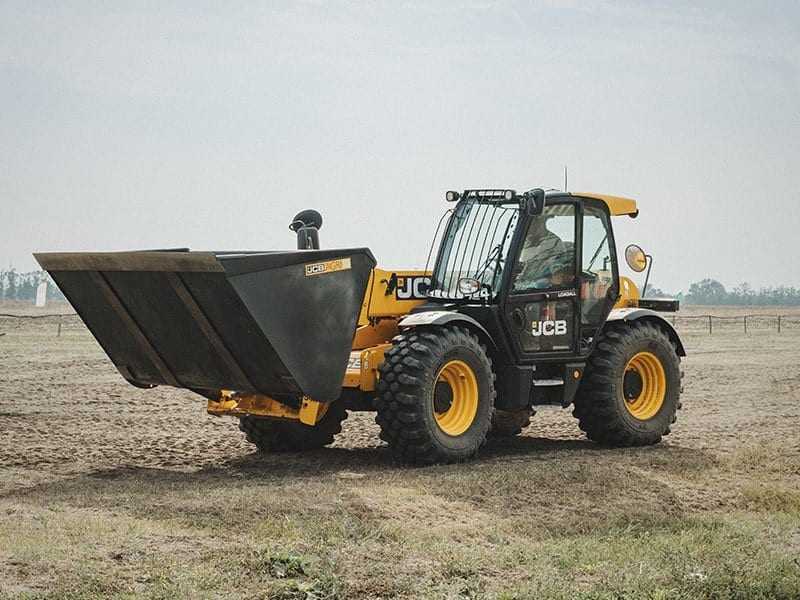
A loader tractor lifts, carries, and dumps material that would take hours by hand, and it digs shallow holes and pushes material into place. Larger tractors have the weight and power for heavier lifting, and it helps to describe the material and the distance before you reserve.
Slopes and soft edges are where tractor mistakes happen, and it helps to lower the bucket and shut the machine off before you leave the seat. Wires, branches, and roof edges are hazards for a tall loader, and it helps to plan the route around any lines before you begin.
Mowing Rough Ground
Rotary cutters are the standard tool for pastures, fence lines, and overgrown lots, and the cutting height can usually be set for a short stubble or a longer cut. Mowing a pasture keeps weeds from seeding and helps grass grow back evenly, and timing the cut matters as much as how often you do it.
Horsepower and deck width should be chosen together, and it helps to ask whether the mower will fit your tractor, if you already have one. Thrown objects are the main danger when a rotary mower is running, and it helps to keep bystanders and animals well away while you cut.
Box Blades and Land Grading
A box blade is a heavy steel box with a cutting edge that attaches to the back of a tractor, and it works well on pastures, arena floors, and yard projects. Shallow cuts and several passes work better than one deep cut, and the surface ends up smooth instead of scalloped.
Ground that is firm but not rock hard is the easiest to cut, and a short call before the job prevents problems. Water that stands on a road or pad will soften it and cause ruts, and it helps to think about where rain will run before you start cutting.
Weed Control by Sprayer
A sprayer with a 110 gallon tank can treat many acres before it needs a refill, and it is used for weed control, brush control, and fertilizer on pastures. Application rules are set by the manufacturer and apply to every user, and it helps to keep the product in a container that is clearly marked.
The system should be flushed with clean water before it goes back to the shop, and some products are harder to clean out than others. Calm mornings are the best time to spray, and it helps to plan for a backup day if the wind picks up.
Three-Point Hitches and Drivelines
Hitch arms at the back of the tractor carry the weight of mowers and blades, and the pins and the spacing of the arms differ between small and large tractors. A rotating driveline links the tractor to any attachment that has moving parts, and the shield should be in place before the shaft spins.
Loose sleeves, drawstrings, and long hair can wrap around a spinning shaft, and nobody should step over it while it is turning. Setting the implement on level ground before hooking up saves a lot of effort, and the implement will sit level and work better.
Fuel, Fluids, and Daily Checks
Look at the oil, coolant, and hydraulic fluid levels at the start of each day, and you will not want to find a problem halfway across a field. Gas and diesel fumes ignite easily, so refueling needs care, and the cap should be tight when the job is done.
Sparks, Gates, and Fence Lines
Mowing very dry grass carries a fire risk, especially when the blades hit stone or metal, and it helps to stop work when the wind picks up and the grass is tinder. Fence lines hide old wire, posts, and debris in tall grass, and a clear route makes the job go faster.
Upkeep Jobs Around the Property
Dirt roads and pads lose their shape over a season of use, and fresh gravel is spread and smoothed with the same equipment. Water features on a property need attention to keep their edges clear, and a walk around the edge before mowing shows where the soft spots are.
Planning a full list of chores keeps a tractor busy from morning to evening, and some jobs only become obvious once the machine is on the property. Owners who compare options for Farm Equipment Rental Services usually have more than one job in mind, and good planning can save a second trip.
Land, Weather, and Soil Around Centerville TX
Hot weather makes engines run warm, and long mowing days need regular breaks, and it helps to drink water often and take breaks in the shade. Heavy soil turns to mud in a wet week and to concrete in a dry one, and that is why timing matters so much for land work.
A wet spring can bring a thick flush of growth that needs cutting back, and waiting until the brush is too thick makes the job harder. Storms and heavy rain can change the schedule at short notice, and it helps to ask the shop what to do if weather delays the work.
The rental calendar fills up when the grass is growing and the weather is dry enough to work, and a second choice of implement or size can keep the project moving.
Choosing and Booking the Right Machine
Find out about fuel, attachments, and any safety gear you should provide, and the project starts on schedule. Check the size of gates and driveways before the machine arrives, and the hauling details matter as much as the machine.
An honest read on the schedule makes the rental easier to plan, and it helps to allow a spare day in case the weather turns. With those questions answered, choosing among Farm Equipment Rental Services in Centerville TX gets easier, and the next step is a conversation about your project.
Dial 936-825-2444 when you are ready to line up a tractor or implement.