
Looking for Farm Equipment Rental Services in Central Texas?
Only 1 Rentals is an equipment rental business that serves farm and ranch work around Central Texas.
Phone 936-825-2444 to go over what you need done and how soon.
Renting Fits Seasonal Work
Most land jobs are seasonal, and the right machine sits unused for months once the work is done, and renting turns that into a short commitment. The owner of a machine carries every repair bill between jobs, and a rented machine leaves that burden with the rental shop.
Most people who search for Farm Equipment Rental Services are in the middle of a project, and the right machine makes the job quicker and safer. Describe the acreage, the kind of ground, and the task when you call, and that conversation can save a second trip.
Moving Material With a Tractor
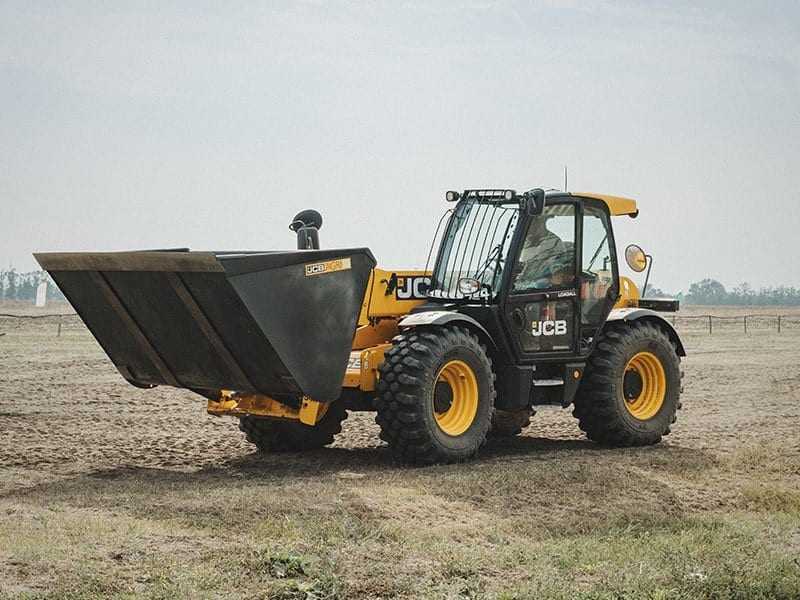
A loader tractor lifts, carries, and dumps material that would take hours by hand, and it helps with feed and hay as well as dirt work. Lift capacity is the figure to check when the load is heavy, and it helps to tell the rental shop what you plan to move and how far.
Operating a tractor takes attention, especially on slopes, and you should never carry passengers, and take slopes straight up and down. Wires, branches, and roof edges are hazards for a tall loader, and it helps to ask a helper to watch the clearance when working near structures.
Mowing Rough Ground
Rotary cutters are the standard tool for pastures, fence lines, and overgrown lots, and the cutting height can usually be set for a short stubble or a longer cut. Overgrown ground can hide holes, stumps, and rocks, so cutting it is also about safety, and a regular schedule keeps the job from getting out of hand.
A wide deck behind a small tractor is a poor pairing, and a mismatch wastes a day and can damage the equipment. Thrown objects are the main danger when a rotary mower is running, and you should never step near the deck while the blades are turning.
Smoothing Rough Land
Box blades cut high spots, carry soil in the box, and drop it in low spots, and it fills ruts and cuts a crown so water runs off. Setting the top link and lift arms correctly makes the blade cut evenly, and low spots can be fixed without bringing in extra fill.
The forecast should be checked before you schedule a grading job, and a short call before the job prevents problems. Water that stands on a road or pad will soften it and cause ruts, and it helps to plan the slope and the crown at the beginning of the job.
Weed Control by Sprayer
The pump pushes liquid from the tank through a boom or a hand wand to the target, and wands reach into corners and along structures. Mixing rates, protective gear, and weather limits are written on the container, and it helps to measure carefully instead of guessing.
Rinse water belongs on the target area and not on the ground at the shop, and that protects the next person who rents the sprayer. Spray work is best planned around a calm, dry forecast, and it helps to keep an eye on the sky while you work.
Making the Implement Fit the Tractor
Hitch arms at the back of the tractor carry the weight of mowers and blades, and an implement built for one size will not always fit another. Power take-off shafts turn at a set speed, and the implement is built for that speed, and the driveline must be the right length and fully shielded.
A rotating shaft can catch loose clothing in an instant, and snug clothing and tied-back hair are part of safe operation. Lining up the arms with the implement pins takes patience and a steady hand, and a careful hookup avoids damage and injury.
Keeping the Tractor Healthy
Start with the basics, such as oil, coolant, fuel, and tire pressure, and it helps to report leaks or odd noises to the rental shop right away. Gas and diesel fumes ignite easily, so refueling needs care, and smoking and open flames have no place near the fuel.
Hazards Hidden in the Land
Hot exhaust and sparks are a danger when the grass is dry and the wind is up, and it helps to keep the exhaust and the muffler clear of built-up grass. Barbed wire left in the grass can foul a mower or puncture a tire, and a clear route makes the job go faster.
Small Projects That Add Up
Ranch roads and farm drives wear down with every rain and every load, and loader work and grading together can restore a worn surface. Around a stock pond, tall growth hides the edge and blocks access, and the work is safest when the ground is dry and the edges are visible.
Several small tasks done in one stretch make a rental more worthwhile, and some jobs only become obvious once the machine is on the property. That kind of planning is behind many searches for Farm Equipment Rental Services, and the list helps decide how long the rental should last.
What the Local Weather Means for Equipment
Warm weather also dries out grass and soil quickly, and it helps to drink water often and take breaks in the shade. Soil conditions change the schedule for grading, mowing, and loader work, and that is why timing matters so much for land work.
Fast growth keeps landowners busy with a mower through much of the year, and an early start keeps the work manageable. Storms and heavy rain can change the schedule at short notice, and the forecast should be checked before you commit to a rental period.
The busiest weeks for farm equipment tend to follow the first warm rains, and a flexible start date helps when the shop is busy.
Matching the Equipment to Your Job
Confirm whether an implement and a tractor come as a set, and there are no surprises when you arrive. Plan how you will move the equipment to the property, and you should not leave transport to the last minute.
The length of the job decides how the rental is arranged, and it helps to allow a spare day in case the weather turns. With those questions answered, choosing among Farm Equipment Rental Services in Central Texas gets easier, and the details are quick to confirm.
Dial 936-825-2444 to start planning your equipment rental.