
Weighing your options for Farm Equipment Rentals in Central Texas?
Only 1 Rentals works with landowners in Central Texas who need farm machinery for a season or a weekend.
Reach us at 936-825-2444 to go over what you need done and how soon.
The Case for Renting Instead of Buying
Most land jobs are seasonal, and the right machine sits unused for months once the work is done, and many landowners rent for exactly that reason. Keeping equipment running all year takes time as well as money, and a rented machine leaves that burden with the rental shop.
Most people who search for Farm Equipment Rentals are in the middle of a project, and the next step is matching the equipment to the land. The shop needs to know the size of the job and the type of land, and that conversation can save a second trip.
Loader Tractors and What They Handle
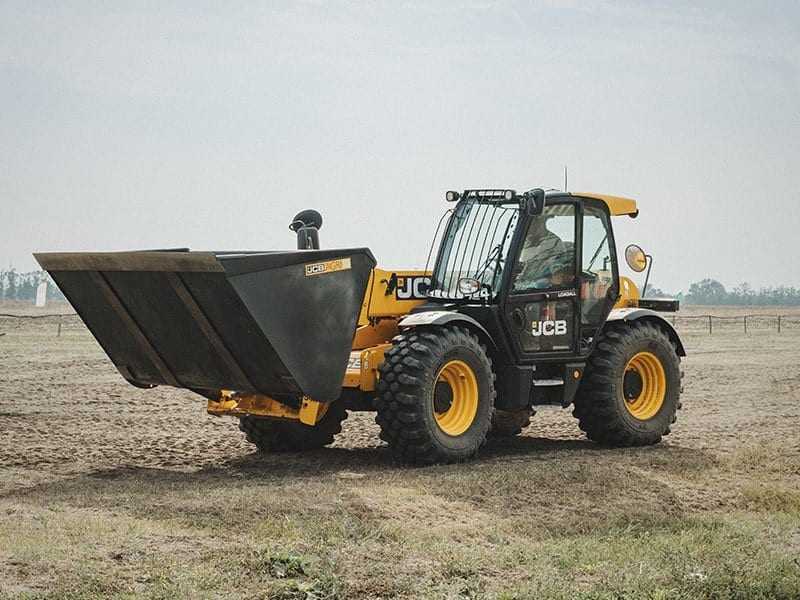
A loader tractor lifts, carries, and dumps material that would take hours by hand, and it can also move round bales when equipped with the right attachment. A compact tractor suits small acreage and tight spaces, and it helps to tell the rental shop what you plan to move and how far.
Tractors can tip, and a raised loader changes the balance, and it helps to wear a seat belt wherever the machine has a roll bar. A raised bucket can reach a power line before you notice it, and accidents with power lines are serious and avoidable.
Mowing Rough Ground
A rotary tractor mower, often called a bush hog, is made for cutting tall grass, weeds, and light brush, and the tractor drives it through the power take-off. Regular mowing is part of pasture care, along with weed control and rotation, and timing the cut matters as much as how often you do it.
A wide deck behind a small tractor is a poor pairing, and a mismatch wastes a day and can damage the equipment. A rotary mower can fling rocks and metal a long way, and you should never step near the deck while the blades are turning.
Grading Work With a Box Blade
The box blade is a three-point hitch implement used to level and shape ground, and it fills ruts and cuts a crown so water runs off. Shallow cuts and several passes work better than one deep cut, and results improve as you get a feel for the machine.
The forecast should be checked before you schedule a grading job, and the implement should be matched to the machine and the ground. A graded drive or pad has to shed water to last, and a few minutes of planning can save hours of repair.
Sprayers for Weeds and Pests
A 110 gallon sprayer is a mid-size tank sprayer used to apply liquid products over larger areas, and it is used for weed control, brush control, and fertilizer on pastures. Different products call for different handling, rates, and timing, and it helps to measure carefully instead of guessing.
Cleaning the equipment right away keeps the pump and nozzles from clogging, and some products are harder to clean out than others. Wind carries spray where it does not belong, and many people start at first light.
Matching Attachments to Your Tractor
The three-point hitch is the common way to connect a tractor to its working tools, and compact tractors and full-size tractors use different hitch sizes. A rotating driveline links the tractor to any attachment that has moving parts, and the speed rating of the implement should match what the tractor delivers.
A shaft turning at working speed gives no second chance, and snug clothing and tied-back hair are part of safe operation. Setting the implement on level ground before hooking up saves a lot of effort, and a careful hookup avoids damage and injury.
Keeping the Tractor Healthy
Before starting a tractor, check the engine oil, the coolant, and the fuel level, and you will not want to find a problem halfway across a field. Fill the tank in the shade and wipe up any spill, and the cap should be tight when the job is done.
Hazards Hidden in the Land
Mowing very dry grass carries a fire risk, especially when the blades hit stone or metal, and carry water or an extinguisher where the grass is dry. Gates, wire, and posts are common obstacles on a working property, and it helps to mark any hazards you cannot move before you start.
Small Projects That Add Up
A farm road takes a beating from trucks, trailers, and runoff, and fresh gravel is spread and smoothed with the same equipment. Around a stock pond, tall growth hides the edge and blocks access, and the work is safest when the ground is dry and the edges are visible.
A weekend with a tractor can cover a surprising list of chores, and the order of the jobs matters, with the dirtiest ones saved for last. That kind of planning is behind many searches for Farm Equipment Rentals, and the shop can suggest the right combination of tools.
Seasons, Soil, and Scheduling
Hot weather makes engines run warm, and long mowing days need regular breaks, and it helps to watch for heat exhaustion in yourself and any helpers. Wet ground is hard on tractors and tears up a pasture, and that is why timing matters so much for land work.
Brush, weeds, and grass grow quickly in warm, wet seasons, and mowing and spraying are common rental jobs here. Storm cleanup often creates a sudden need for a loader or a mower, and a flexible plan is worth having.
Spring and early summer are busy seasons for mowers, sprayers, and loaders because growth is quick, and a second choice of implement or size can keep the project moving.
Planning Your Rental
A few questions about the details prevent delays at the start, and there are no surprises when you arrive. Check the size of gates and driveways before the machine arrives, and a trailer is a separate piece of equipment.
Think about how many days the work will take before you reserve, and a little extra time is better than a rushed finish. That is how most people approach Farm Equipment Rentals in Central Texas, and the details are quick to confirm.
Phone 936-825-2444 to start planning your equipment rental.