
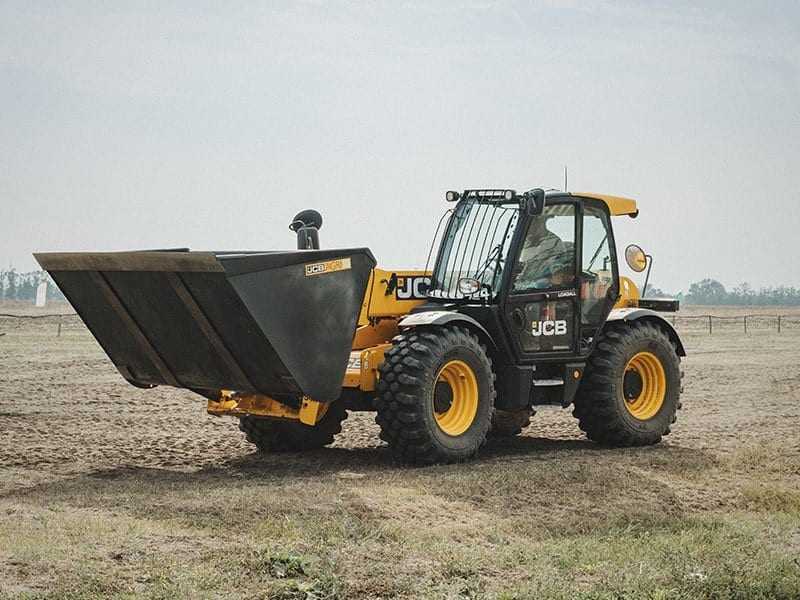
Weighing your options for Farm Equipment Rentals in Hearne TX?
Only 1 Rentals puts farm and acreage equipment on rental for people in and around Hearne TX.
Ring 936-825-2444 to find out what is ready for your project.
The Case for Renting Instead of Buying
Farm and acreage work comes in bursts, with a hay season, a clearing project, and a fence line to prepare, and a rental covers the gap without the long-term burden. An owned tractor needs service, fuel, and a place to sit out of the weather, and a rented machine leaves that burden with the rental shop.
People looking up Farm Equipment Rentals usually know the job and are choosing the machine, and a good match saves time on the day. The more you say about the work, the better the match will be, and that conversation can save a second trip.
The Workhorse of the Property
A tractor with a loader is the general-purpose machine on most farms and ranches, and it can also move round bales when equipped with the right attachment. Lift capacity is the figure to check when the load is heavy, and an oversized tractor can be as awkward as an undersized one.
Operating a tractor takes attention, especially on slopes, and it helps to wear a seat belt wherever the machine has a roll bar. Wires, branches, and roof edges are hazards for a tall loader, and a quick look overhead takes a second.
Cutting Back Grass and Brush
Rotary cutters are the standard tool for pastures, fence lines, and overgrown lots, and the cutting height can usually be set for a short stubble or a longer cut. A mowed property is easier to walk, fence, and manage, and a regular schedule keeps the job from getting out of hand.
Horsepower and deck width should be chosen together, and it helps to ask whether the mower will fit your tractor, if you already have one. Wire, stones, and scrap hidden in the grass become projectiles, and it helps to stop the machine before you clear anything from the deck.
Grading Work With a Box Blade
The box blade is a three-point hitch implement used to level and shape ground, and the scarifier teeth loosen hard ground before the blade moves it. Overlapping lines and frequent looks back at the work give the best results, and the surface ends up smooth instead of scalloped.
Grading in dry weather gives better results and puts less strain on the tractor, and the implement should be matched to the machine and the ground. A graded drive or pad has to shed water to last, and it helps to think about where rain will run before you start cutting.
Tank Sprayers for Field Work
Tank sprayers of this size are mounted on a trailer, a tractor, or the back of a utility vehicle, and wands reach into corners and along structures. Application rules are set by the manufacturer and apply to every user, and you should never spray on a windy day.
Cleaning the equipment right away keeps the pump and nozzles from clogging, and it helps to tell the rental staff what product you used. Spray work is best planned around a calm, dry forecast, and it helps to plan for a backup day if the wind picks up.
Making the Implement Fit the Tractor
Most farm implements attach to the tractor through a three-point hitch at the back, and the pins and the spacing of the arms differ between small and large tractors. Mowers and some sprayer pumps draw their power from a shaft on the tractor, and the shop can tell you which tractor and implement belong together.
Loose sleeves, drawstrings, and long hair can wrap around a spinning shaft, and snug clothing and tied-back hair are part of safe operation. Back the tractor slowly toward the implement and stop when the pins line up, and you should not rush the first hookup of the day.
Checks That Prevent Breakdowns
A quick walk around the tractor should include fluids, tires, and the air filter, and top off anything that is low before the work begins. Gas and diesel fumes ignite easily, so refueling needs care, and smoking and open flames have no place near the fuel.
Sparks, Gates, and Fence Lines
Dry grass burns quickly, and a mower blade striking a rock can throw sparks, and it helps to keep the exhaust and the muffler clear of built-up grass. Fence lines hide old wire, posts, and debris in tall grass, and animals should be moved away from the work area.
Ranch Roads, Pads, and Pond Banks
A farm road takes a beating from trucks, trailers, and runoff, and a tractor with a box blade can put the crown back and fill the ruts. Pond banks and ditch edges grow thick with brush and weeds, and the work is safest when the ground is dry and the edges are visible.
Property owners often string small jobs together into one rental, and some jobs only become obvious once the machine is on the property. A look at Farm Equipment Rentals is often the first step in a weekend project list, and good planning can save a second trip.
Working the Land in Hearne TX
Heat is part of working outdoors here, so early starts and plenty of water matter, and it helps to check the coolant and oil on any engine-driven machine. Dry, cracked ground makes grading and digging much harder, and local experience helps with this sort of decision.
Brush, weeds, and grass grow quickly in warm, wet seasons, and mowing and spraying are common rental jobs here. Equipment should be brought in when lightning is near, and the forecast should be checked before you commit to a rental period.
The busiest weeks for farm equipment tend to follow the first warm rains, and calling ahead of the rush is a simple way to avoid waiting.
Questions to Settle Before You Rent
Ask what the rental covers and what you need to bring, and you can begin the job right away. A trailer and a truck with enough towing capacity are often required for hauling, and you should not leave transport to the last minute.
Rental periods are often set by the day, the week, or a longer term, and a little extra time is better than a rushed finish. That is how most people approach Farm Equipment Rentals in Hearne TX, and a call usually settles the rest.
Call 936-825-2444 to start planning your equipment rental.