
Need Farm Equipment in Central Texas?
Only 1 Rentals works with landowners in Central Texas who need farm machinery for a season or a weekend.
Ring 936-825-2444 to ask which equipment fits your acreage.
Machinery for the Season, Not Forever
Machinery that earns its keep a few days a season is hard to justify owning and storing, and a rental covers the gap without the long-term burden. Storage, maintenance, and repairs fall on the owner of a machine, and the trade is simple and the commitment is short.
Most people who search for Farm Equipment are in the middle of a project, and a short conversation can sort out the details. Describe the acreage, the kind of ground, and the task when you call, and that conversation can save a second trip.
Lifting, Hauling, and Digging
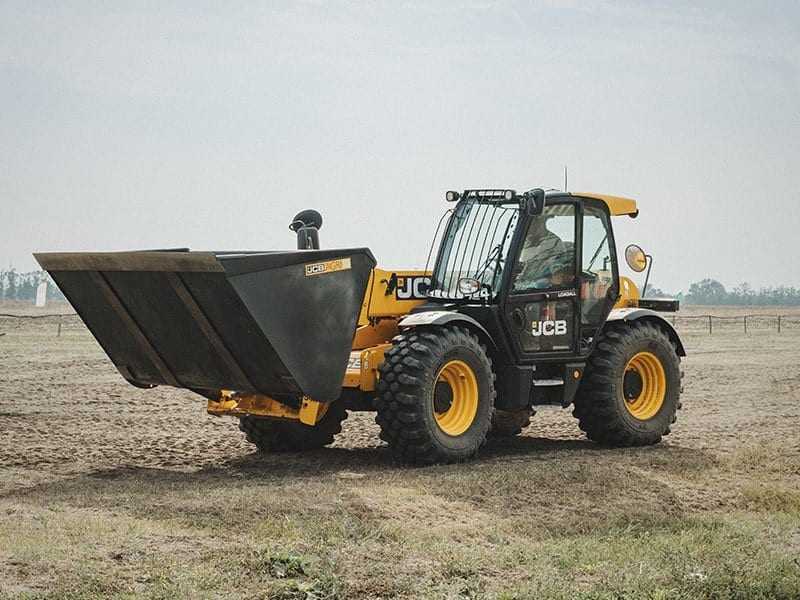
A loader tractor lifts, carries, and dumps material that would take hours by hand, and it helps with feed and hay as well as dirt work. Lift capacity is the figure to check when the load is heavy, and an oversized tractor can be as awkward as an undersized one.
Uneven ground and ditches are the usual places for a tractor accident, and it helps to wear a seat belt wherever the machine has a roll bar. A raised bucket can reach a power line before you notice it, and a quick look overhead takes a second.
Rotary Mowers and Brush Cutting
Tractor-mounted rotary mowers handle vegetation far too tall or thick for a yard mower, and its blades turn at high speed under a steel deck. Mowing a pasture keeps weeds from seeding and helps grass grow back evenly, and the work is easier when it is done before growth gets thick.
The tractor must have enough horsepower for the mower you pick, and a mismatch wastes a day and can damage the equipment. Mower blades turn fast enough to throw anything they hit, and it helps to keep every guard and shield on the mower.
Grading Work With a Box Blade
This simple implement is a favorite for smoothing rough ground, and the scarifier teeth loosen hard ground before the blade moves it. A little material moved at a time gives a smoother finish, and the surface ends up smooth instead of scalloped.
Heavy rain can turn a graded surface soft, so the work belongs on dry ground, and the implement should be matched to the machine and the ground. Drainage is the point of most grading work, and it helps to think about where rain will run before you start cutting.
Weed Control by Sprayer
Sprayers let one person cover pasture and fence lines in much less time than a backpack unit, and it is used for weed control, brush control, and fertilizer on pastures. Different products call for different handling, rates, and timing, and it helps to keep spray away from water, animals, and neighbors.
The system should be flushed with clean water before it goes back to the shop, and it keeps the equipment in good working order. Spraying in still air keeps the product on the target, and many people start at first light.
Three-Point Hitches and Drivelines
Most farm implements attach to the tractor through a three-point hitch at the back, and an implement built for one size will not always fit another. A rotating driveline links the tractor to any attachment that has moving parts, and the speed rating of the implement should match what the tractor delivers.
The driveline is one of the most dangerous parts of a tractor, and the shield exists for exactly that reason. Back the tractor slowly toward the implement and stop when the pins line up, and a careful hookup avoids damage and injury.
Fuel, Fluids, and Daily Checks
A quick walk around the tractor should include fluids, tires, and the air filter, and top off anything that is low before the work begins. A hot engine and a fuel can do not belong together, and the engine should cool down before any fuel goes in.
Sparks, Gates, and Fence Lines
Dry grass burns quickly, and a mower blade striking a rock can throw sparks, and carry water or an extinguisher where the grass is dry. Gates, wire, and posts are common obstacles on a working property, and gates should be latched so nothing wanders into the path.
Ranch Roads, Pads, and Pond Banks
Working areas around barns and gates turn rough from constant traffic, and regular touch-ups keep small problems from becoming big ones. Pond banks and ditch edges grow thick with brush and weeds, and a walk around the edge before mowing shows where the soft spots are.
A weekend with a tractor can cover a surprising list of chores, and a tractor with a loader and a mower can cover a lot of ground. A look at Farm Equipment is often the first step in a weekend project list, and the shop can suggest the right combination of tools.
Land, Weather, and Soil Around Central Texas
Heat is part of working outdoors here, so early starts and plenty of water matter, and it helps to watch for heat exhaustion in yourself and any helpers. Wet ground is hard on tractors and tears up a pasture, and a day of rain can mean a day of waiting.
Cutting and spraying weeds on time pays off because weeds that go to seed spread, and many owners schedule a cut early in the season. Storm cleanup often creates a sudden need for a loader or a mower, and a backup day gives the job some room.
Many landowners rent equipment in spring, when growth is fastest and fence lines need work, and calling ahead of the rush is a simple way to avoid waiting.
Planning Your Rental
A few questions about the details prevent delays at the start, and there are no surprises when you arrive. A trailer and a truck with enough towing capacity are often required for hauling, and it helps to confirm your hitch and ball size ahead of time.
Terms vary from one rental shop to the next, and it helps to allow a spare day in case the weather turns. With those questions answered, choosing among Farm Equipment in Central Texas gets easier, and the details are quick to confirm.
Dial 936-825-2444 to start planning your equipment rental.